November 4, 2026
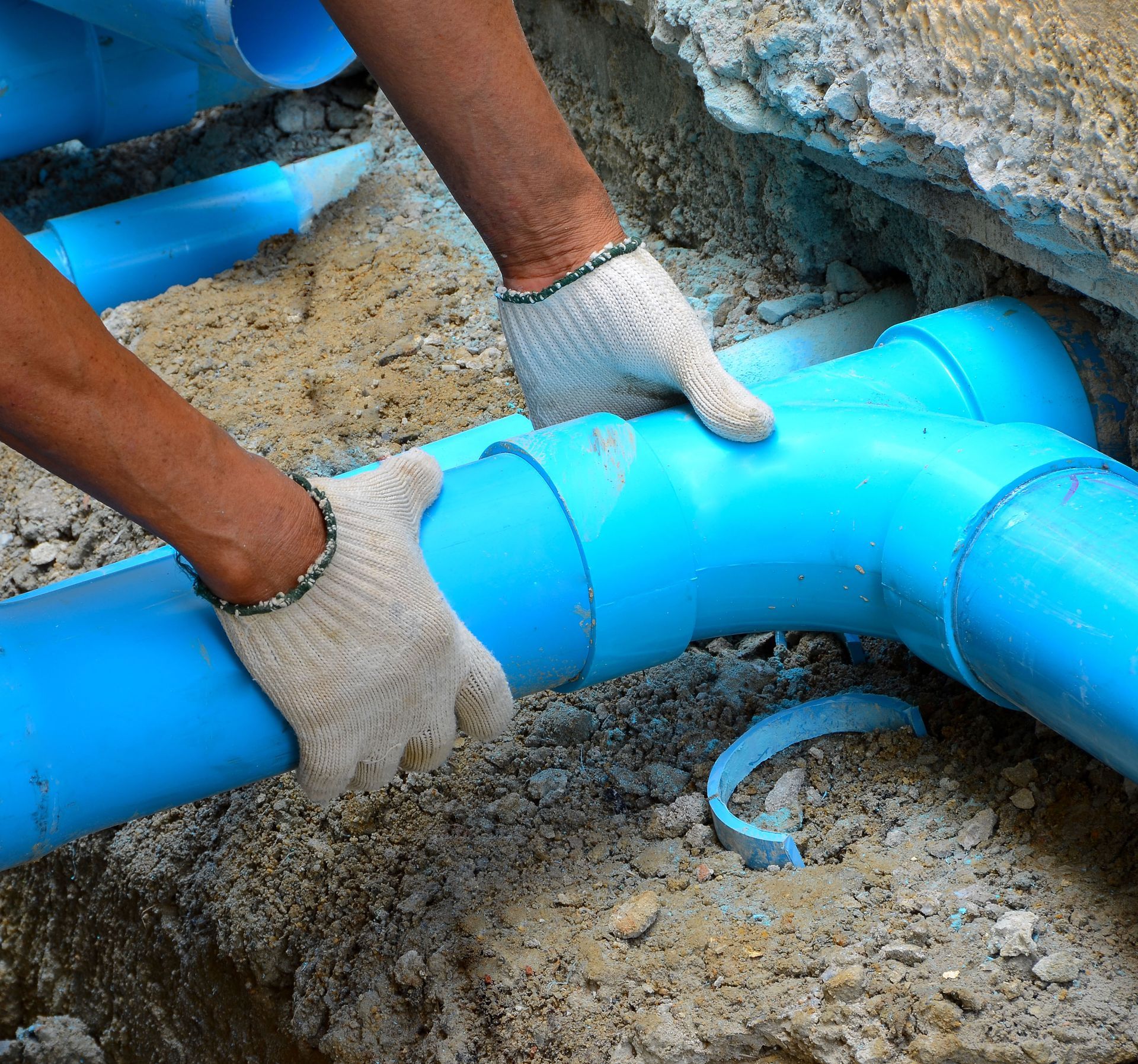
Your sewer line works quietly beneath your yard every day, carrying wastewater away from your home without asking for much attention. Because it sits out of sight, many homeowners don't think about it until something goes wrong. Like every other part of your home, though, a sewer line doesn't last forever. According to HomeGuide, a sewer line can last anywhere from 30 to 100 years, and the material it's made from plays a major role in where it falls within that range. Older clay and cast iron pipes often wear out sooner than modern PVC, especially once roots, shifting soil, and decades of daily use take their toll.
Catching the warning signs early gives you time to plan a repair or replacement instead of scrambling during a messy emergency. Experienced residential sewer line installers can evaluate your line and tell you whether it needs a targeted fix or a full replacement. Below, we cover six signs that residential sewer line installers commonly see in lines nearing the end of their lifespan.
1. Frequent Clogs and Slow Drains Throughout the Home
A single slow sink usually points to a localized clog in that fixture's drain. When multiple drains slow down at the same time, or when clogs keep coming back no matter how often you clear them, the problem likely sits farther down in your main sewer line. Aging pipes develop rough interior surfaces, sagging sections, and cracks that catch grease and debris, turning blockages into a recurring headache. Each new clog also adds stress to pipes that may already be weak.
Pay attention to which fixtures act up first. If your lowest drains, such as a basement floor drain or first-floor shower, back up before anything else, wastewater may not be moving freely through the main line. Store-bought drain cleaners can't reach these deeper problems, and harsh chemicals can even speed up corrosion in older metal pipes. Professional cleaning methods like hydro jetting can clear stubborn buildup, but if clogs return shortly afterward, residential sewer line installers may recommend evaluating the pipe itself for deterioration.
2. Persistent Sewage Odors In and Around the House
A healthy sewer system stays sealed, so you shouldn't smell sewage in your home or yard. When a pipe cracks, separates at a joint, or corrodes through, sewer gases can escape into the soil around your foundation and eventually work their way indoors. You might notice a rotten-egg odor near floor drains, in the basement, or around a particular spot in your lawn.
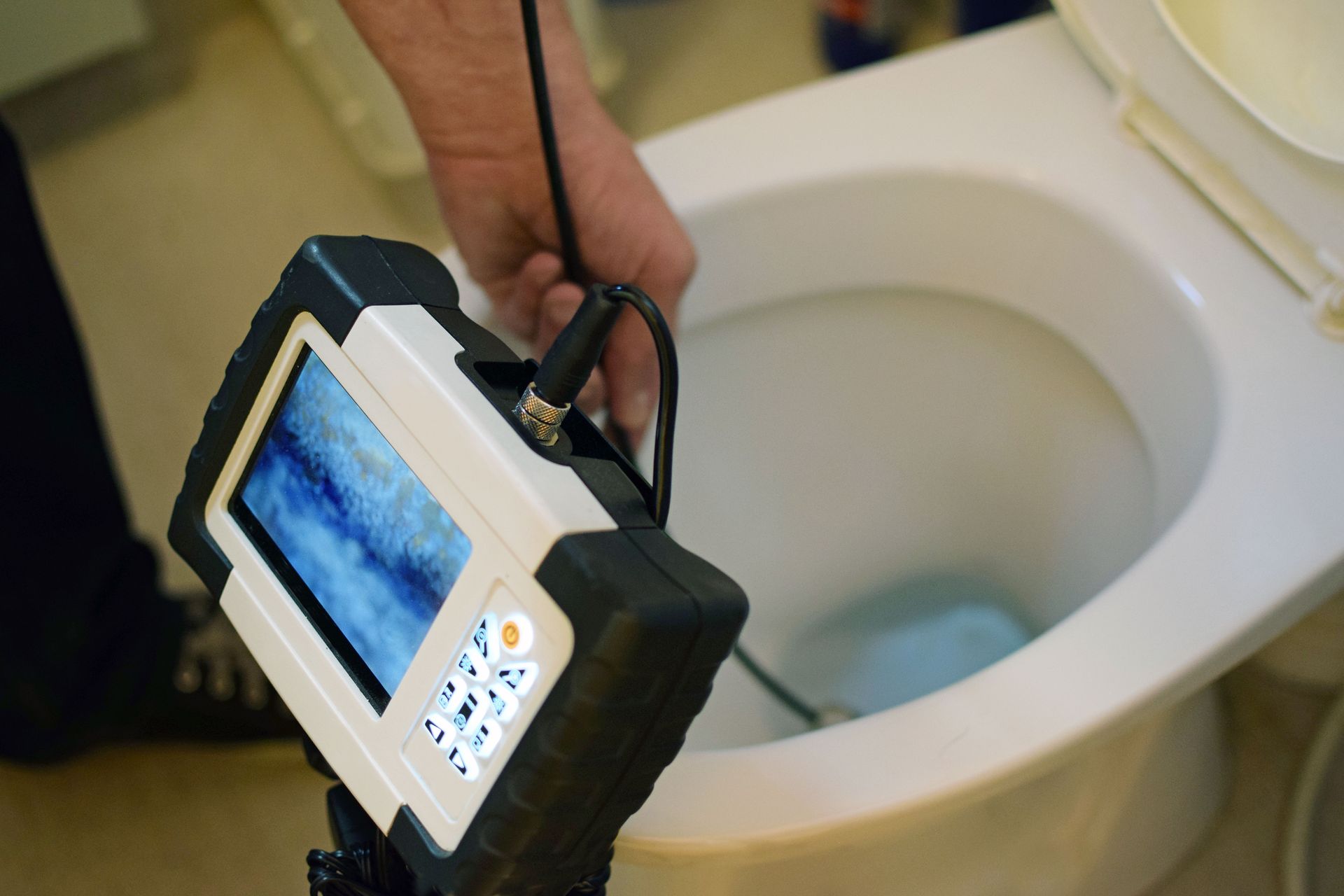
These odors are more than unpleasant. Sewer gas contains hydrogen sulfide and methane, which can pose health concerns with prolonged exposure. A lingering smell that doesn't go away after you've cleaned your drains and refilled any dry traps often means the line has a breach somewhere along its length. Residential sewer line installers use sewer camera inspections to pinpoint the exact location of the damage, so you avoid guesswork and unnecessary digging.
3. Unusually Lush or Soggy Patches in the Yard
Wastewater is rich in nutrients that act like fertilizer. If one strip of your lawn suddenly grows greener and faster than the rest, especially along the path between your house and the street, a leaking sewer line could be feeding it from below. During dry spells, that contrast becomes even easier to spot.
Soggy ground, standing water, or soil that feels spongy underfoot can also signal that sewage is escaping into the yard. Over time, leaking water can wash away soil and create depressions or sinkholes that damage landscaping, driveways, and walkways. Residential sewer line installers can assess whether the leak stems from a small crack that relining can seal or a larger failure that calls for replacement. Leaking sewage also exposes your family and pets to harmful bacteria whenever they spend time outdoors.
4. Recurring Tree Root Intrusion in the Line
Tree roots naturally grow toward moisture, and the small cracks and loose joints in an aging sewer line give them easy access. Once roots get inside, they spread, trap waste, and widen the openings they entered through. Clay pipes and older lines with many joints are especially vulnerable to this kind of invasion.
Cutting roots out of the line provides short-term relief, but it doesn't fix the openings that let them in. If you find yourself scheduling root removal year after year, the pipe has likely sustained structural damage. In our experience, lines that need root clearing more than once or twice a year often benefit more from a long-term solution than from repeated cleanings. Skilled residential sewer line installers can use trenchless methods like pipe bursting or pipe relining to create a smooth, seamless path that roots can't easily penetrate.
5. Gurgling Noises and Backups in Fixtures
Your plumbing should drain quietly. Gurgling sounds from toilets, tubs, or sinks happen when air gets trapped in the line because wastewater can't flow freely. You might hear a toilet bubble when the washing machine drains or notice the shower drain gurgle after someone flushes. Gurgling can also stem from a blocked vent, but when it shows up alongside slow drains or foul odors, the main sewer line becomes the more likely culprit.
These noises often come before more serious trouble, including sewage backing up into tubs, showers, and floor drains. A backup creates an unsanitary mess and can ruin flooring, drywall, and belongings in your basement. If you notice sounds like these, don't wait for them to escalate. Contacting residential sewer line installers early gives you the chance to address the cause before it becomes an emergency that disrupts your entire household.
6. Aging Original Pipes in an Older Home
Sometimes the clearest sign is simply your home's age. Many older homes still rely on their original clay, cast iron, or Orangeburg sewer pipes. In our experience, Orangeburg, a fiber pipe made from wood pulp and tar, was common in mid-20th-century construction and tends to deform and collapse as it ages. Cast iron corrodes from the inside out, while clay pipes can crack and separate at the joints as the ground shifts. Even a well-maintained line eventually reaches a point where ongoing repairs no longer make financial sense.
If you don't know what material your sewer line is made of or when someone installed it, a professional inspection can give you clear answers. Even if you aren't noticing problems yet, understanding your line's condition helps you budget and plan rather than react. Homeowners buying an older property can also benefit from having residential sewer line installers inspect the line before closing, since sewer replacement can be a significant expense.
Your sewer line won't last forever, but recognizing the warning signs early can save you from costly repairs, property damage, and unsanitary backups. Frequent clogs, foul odors, soggy yard patches, recurring roots, gurgling drains, and aging original pipes all point to a line that may need attention soon. The sooner you reach out to residential sewer line installers, the more options you'll have, including less invasive trenchless methods that can preserve your lawn and landscaping. Qualified professionals have the cameras, equipment, and training to diagnose the problem accurately and recommend a solution that fits your home and budget.
If you've noticed any of these signs, we're here to help at Ganziano Sewer & Water. As a locally owned, disabled veteran- and family-operated business, we proudly serve homeowners throughout McHenry County, IL, with 24/7 emergency service, free estimates, and a typical one-year warranty on our work. Call today to schedule your inspection!