November 14, 2026
Managing your home wastewater flow keeps daily routines comfortable, hygienic, and wonderfully stress-free for the whole family. Hidden underground pipes quietly carry waste away from sinks, showers, and toilets every single minute. Routine sewer line inspections help you catch small pipe changes early so your entire plumbing system runs smoothly and reliably.
Spotting the Clues of Underground Wear
Subtle changes inside your household drains often provide the earliest hints of developing blockages deep underground. Multiple fixtures draining sluggishly at the same time usually indicate an issue further down the main lateral line rather than an isolated pipe trap problem. Water pooling around basement floor drains during a laundry wash cycle suggests that the outbound conduit cannot handle normal volume. Unusual gurgling noises bubbling up from toilet bowls when you run bathroom faucets point to trapped air pockets caused by accumulating debris.
Peculiar outdoor shifts across your lawn also signal possible structural compromises along the buried piping path. Patches of unusually lush, bright green grass often indicate underground pipe fractures leaking moisture and organic nutrients into the surrounding topsoil. Soft, soggy depressions or sudden sinkholes developing along your yard pathway can indicate that shifting earth has settled around a fractured pipe segment. Foul, sewer-like aromas wafting across flowerbeds or near exterior foundation walls suggest that subterranean gases are escaping from cracks rather than venting properly through the roof stack.
Persistent issues left unaddressed inside subterranean pipes rarely resolve on their own and tend to worsen with time. Slow leaks can gradually wash away supportive soil layers, causing sections to sag, belly, or collapse under the weight above. Getting ahead of pipe degradation saves property owners from unpleasant indoor sewage backups that disrupt busy workweeks. Periodic sewer line inspections allow technicians to track internal line conditions accurately before small plumbing annoyances turn into major property emergencies.
Understanding the Risks of Mature Trees
Tree roots possess an uncanny ability to seek out moisture and nutrients buried deep beneath the surface of your property. Thirsty root filaments travel considerable distances underground, wrapping around pipe joints and seeking out tiny microscopic pores in older clay, cast iron, or concrete materials. Once a fine hair-like feeder root penetrates a loose joint seam, it drinks the nutrient-rich water and expands quickly in size. Over several growing seasons, these expanding roots create dense, net-like masses that catch toilet paper and household waste.
Mechanical snaking might punch a temporary opening through a clogged mass, but aggressive root networks return quickly unless properly managed. Mature shade trees like willows, maples, and oaks have particularly expansive root profiles capable of exerting substantial pressure against brittle underground pipe walls. As roots thicken inside the conduit, they crack pipe walls and cause complete blockages that stop outbound flow. According to Utility Contractor Magazine, your sewer line should be inspected every year.
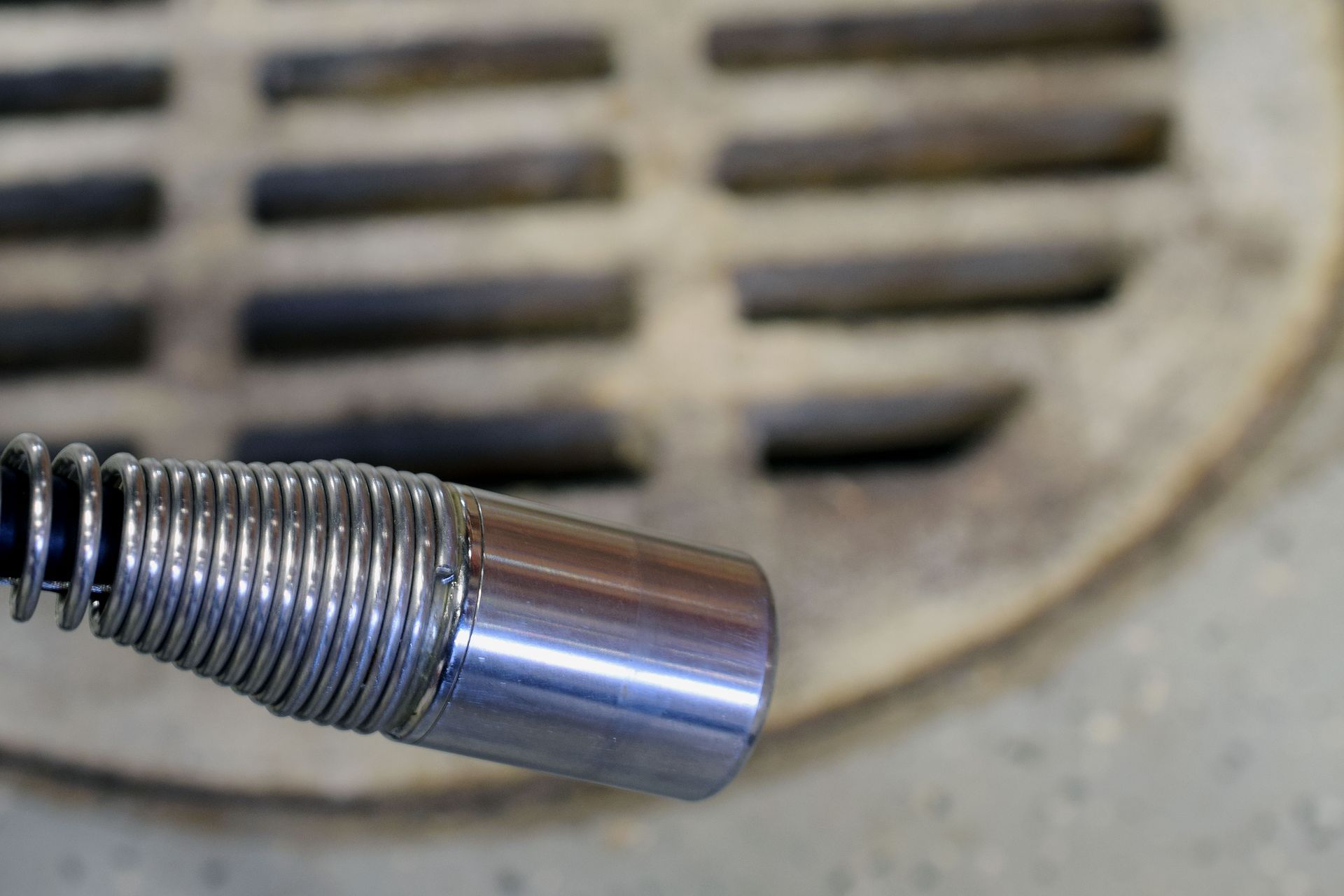
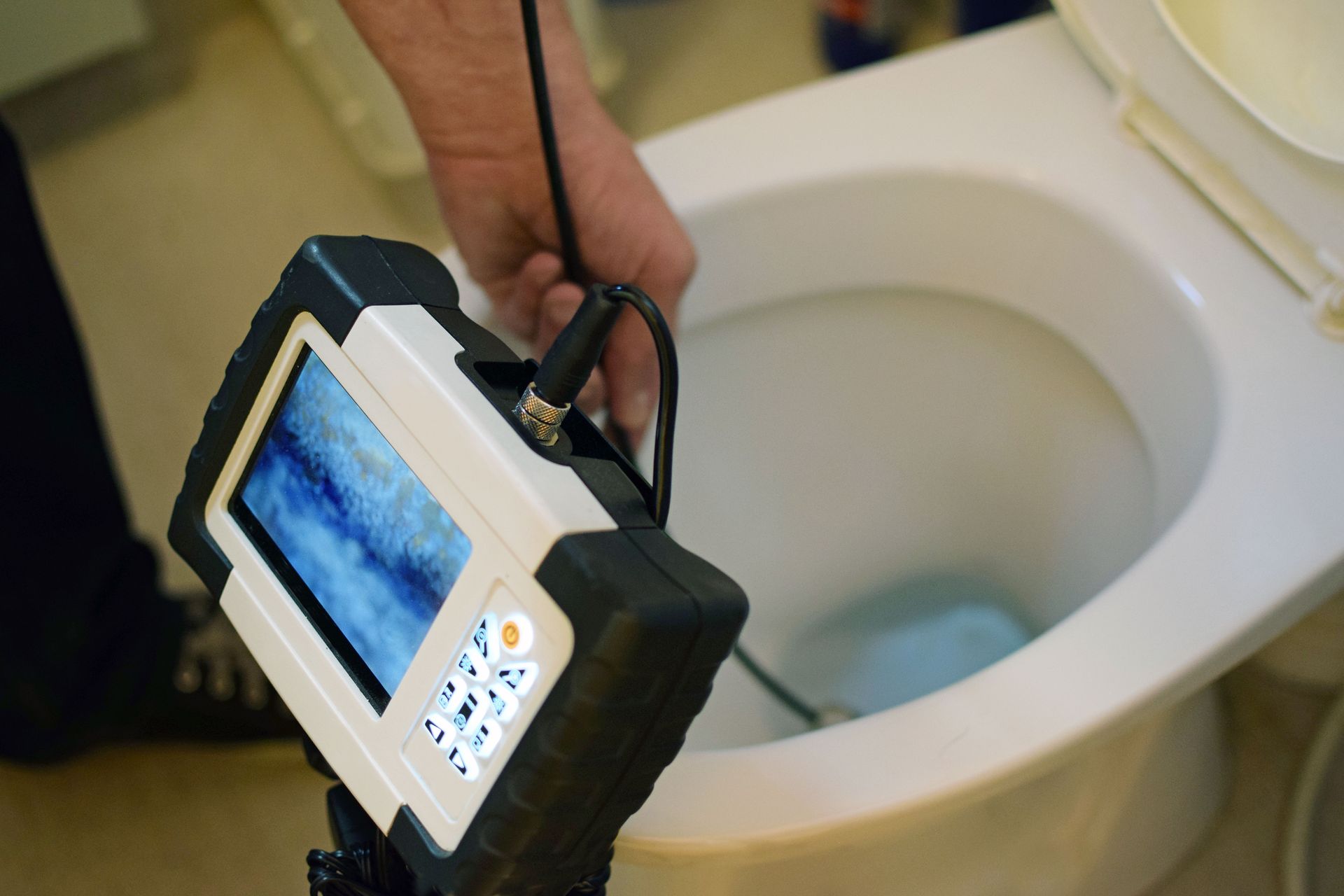
Regular pipe assessments pinpoint the exact location, entry point, and density of invasive subterranean root clusters. Specialized high-definition video cameras travel through the entire conduit, showing property owners whether joints remain sound or whether root intrusions are tearing apart pipe bells. Catching root penetration during its initial stages preserves the surrounding pipe framework and avoids costly yard excavations. Thorough sewer line inspections give homeowners the precise clarity needed to protect their property landscape from aggressive underground foliage.
Factoring the Age of Older Piping
Neighborhood history plays a major role in determining how frequently your underground drainage conduit requires comprehensive professional review. Houses constructed several decades ago frequently feature original sewer laterals made of clay tile, bituminous fiber, or heavy cast iron. While these vintage materials served past generations well, decades of ground shifting, mineral scaling, and soil acidity steadily wear down their internal diameter. Cast iron conduits often develop rough, jagged internal crusts that snare passing debris and restrict water speed.
Clay pipes, common in historic districts, are notoriously brittle and feature numerous unsealed joint connections every few feet. Ground vibrations from nearby street traffic, seasonal soil freezes, and standard settlement can easily dislodge these loose slip joints over time. Once an offset occurs, toilet paper and solid waste snag against the exposed pipe lip, creating recurring sluggishness and localized backups.
Scheduling frequent sewer line inspections for aging homes allows specialists to measure internal channel degradation across every vintage foot. Technicians evaluate pipe thickness, identify hairline fractures, and verify whether old cast iron bottoms are beginning to channel or thin out. Knowing the exact material composition and physical condition of your underground line eliminates unpleasant surprises on laundry day. Making informed decisions regarding your vintage home infrastructure keeps your daily household routine moving forward without unexpected plumbing interruptions.
Planning the Steps of Property Transitions
Buying or selling a residential home involves mountains of paperwork, structural evaluations, and aesthetic walkthroughs. Standard home inspectors typically run interior faucets, flush toilets, and check under sinks, but their basic checklists rarely look beneath the lawn surface. A sewer line can conceal severe hairline fractures, shifting joint bell separations, or heavy grease buildups while still passing a quick fifteen-second water flush test.
Prospective homebuyers gain substantial leverage by requesting a dedicated video camera review of the entire line out to the city connection. Identifying existing root infestations, pipe sags, or deteriorated piping materials before closing allows buyers to negotiate repairs with sellers calmly. Sellers also gain immense value from proactive assessments by demonstrating that their home infrastructure is in tip-top shape for prospective buyers.
Conducting thorough sewer line inspections before closing protects all parties involved in major residential property transactions. A comprehensive recording shows every foot of piping from the cleanout down to the municipal main connection clearly. You gain complete knowledge regarding pipe material, joint alignment, and current operational capacity before signing final mortgage documents. Entering homeownership with a crystal-clear understanding of your underground utility lines starts your journey off on the right foot.
Maintaining the Flow with Preventative Care
Preventative maintenance serves as the ultimate secret to enjoying a reliable, worry-free residential drainage setup for years. Everyday household habits naturally send grease, cooking oils, soap residues, and hair down interior drains. Over months of regular cooking and showering, these sticky residues cool, solidify, and cling tightly to underground pipe walls. This gradual buildup acts like arterial plaque, slowly narrowing the internal diameter of the line until water flow chokes.
Flushing high volumes of water or running liquid chemicals rarely removes sticky grease rings adhering to long horizontal underground runs. Professional drain cleaning techniques like hydro jetting wash away built-up sludge, scale, and mineral deposits, returning the pipe interior to its original diameter. Scheduling comprehensive sewer line inspections before and after preventative cleaning procedures helps technicians identify exact blockage points and confirm that all debris has been thoroughly cleared away.
Establishing a routine checkup rhythm keeps your entire drainage infrastructure resilient against changing seasonal weather and daily family demands. Knowing the precise health of your buried pipes allows you to plan your household maintenance budget smoothly without fear of sudden drain failures. Clear, free-flowing pipes protect your foundation, preserve your yard, and keep your indoor plumbing operating quietly in the background.
Prioritizing your buried drainage network protects your residential living environment, preserves interior flooring, and promotes dependable sanitation year after year. Proactive monitoring transforms an invisible underground utility into a dependable, well-maintained asset that serves your household faithfully. Expert sewer and drain services keep waste moving away smoothly and preserve your home comfort. Get consistent preventative care with Ganziano Sewer & Water so your home stays healthy, sanitary, and welcoming for every family member.